My Smile Isn't Real
Or: Inclusion, Broken Teeth, and the Lessons We Learn the Hard Way
Operation Half-a-Heart: My Fourth-Grade Inclusion Project
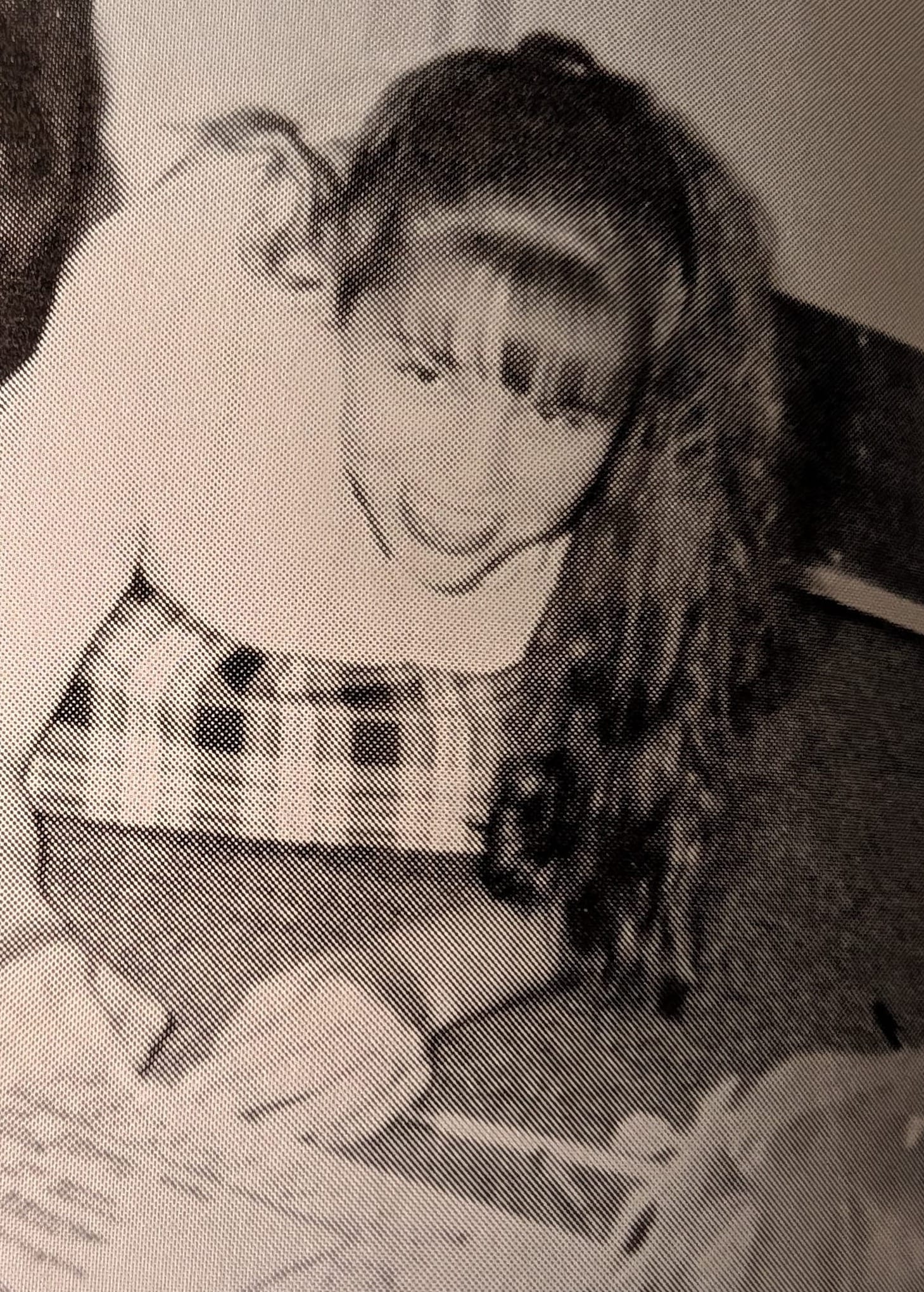
It's the evening of February 13th. Dinner is over and I'm sitting on the floor with a pile of Valentine's Day cards and a box of markers. It's the 90s, so these are the smaller, one-sided cards that come in a sheet of eight with matching, perforated envelopes in sets of two.
I have a brilliant idea. I decide to decorate each envelope pair with matching hearts—one for a boy, one for a girl—so everyone has a Valentine.* It’ll help classmates connect and make sure no one feels left out. What could go wrong?
*Compulsive heterosexuality in action already in fourth grade, but that's a whole other post!
When Inclusion Backfires
My best friend at the time was a girl named Robin. I was blissfully unaware of how unpopular she was. I liked her, and it never occurred to me that anyone else would not. I assigned Steve as her Valentine and wrote his name on the other side of her heart.
My classmates loved the game, comparing envelopes and laughing as they searched for their heart-matches. I was so proud!—until lunch.
One moment, I was talking to my friends on the sidewalk. The next, I was on the ground bleeding and holding tiny white rocks in my hand. Except they weren't rocks; they were pieces of my front teeth. Someone had pushed me, and I'd fallen flat on my face.
Steve, furious that Robin was his Valentine, had shoved me in protest. I don't think he meant to hurt me, but by the end of the day, I'd had a root canal and a temporary crown.
Kids Love Everybody, Right?
We often believe children are naturally inclusive—curious, open, and kind. Why else do we warn them about strangers and teach caution over connection? But is it true that kids accept everyone?
When did Steve go from a curious, loving toddler to a kid angry enough to shove someone over an unpopular Valentine? How did such a wholesome idea evoke that kind of reaction in a nine-year-old?
I don't know the answers to these questions (although you can bet I've spent hours reading up on child development to try to find out!). But I know we can all learn a lot from my experiment.
Inclusion Isn't One-Size-Fits-All
Inclusion initiatives typically start with a good idea and great intentions. We design Valentine's Day cards in a way that brings fourth-grade kids together. We ask everyone to put their pronouns in an email signature to promote acceptance of gender identities. We want everyone at the office to feel celebrated, so we buy them a cake and bring balloons in on their birthdays.
But there are a lot of questions we need to ask before turning ideas into reality, the most important of which is: "Do the people we are trying to include actually want this?" Have we asked them? Do we understand the trade-offs? Have we considered who might push back and why? Do we have a plan to respond? No group is a monolith and there are a lot of complicated layers to consider when implementing any inclusion plan.

Operation Half-a-Heart: Take Two
Steve didn’t want Robin as a Valentine, but leaving him out might have excluded him even more. I wish I could go back in time and tell nine-year-old me to make it an opt-in activity. I could have brought in some envelopes with traditional, red hearts and some with unique designs but no names. Shuffle them up, and have students choose if they wanted a mystery match or not.
I never considered a perspective outside of my own. I wouldn't have wanted to feel left out. I liked talking to new people and wanted to be accepted. I thought Robin was great. Maybe Steve feared being teased for being nice to Robin. Maybe he didn’t like girls. Maybe he had anxiety and felt overwhelmed. In hindsight, it would have been better to include my classmates from the beginning, asking for their ideas and allowing for concerns to come up organically.
I never asked my teacher about it, either. I just did it. She was likely caught off guard and may have felt pressured to praise me, making it harder for others to speak up. There was no anonymous way anyone could talk about how they felt about the activity; for all I know, most people disliked it and it wasn't nearly the hit I thought it was.
Still Chewing on This One
I've never stopped thinking about this. Maybe it's because my floss always sticks in the space between my crown and my gums. But I'd like to think it's because I've never lost the drive I had as a kid to build community, embrace diversity, and create welcoming and inclusive environments, whether I was a kid giving out Valentine's Day cards, a high school teacher, or an Associate Vice President leading cross-collaborative teams.
I carry the same thinking in my personal life as well. When I developed a local group for WLW, I called it Sapphics of Jersey City, so that bi-, pansexual and nonbinary people would not feel excluded by the term "lesbian". As a member of my local run club, I have dedicated much of my time to beginners and people returning to injury, hosting a "Gossip Pace" run every week for those who feel most run groups are too fast, too competitive and too intimidating for them.
With each new idea, I’ve improved. I’m more thoughtful, more proactive. I plan better, involve those I aim to support, and get leadership buy-in. I integrate pre- and post-assessments to determine what was done well and what could be better.
I may have lost my front teeth, but I never lost my passion for ensuring that every human being has the right to take up space as their authentic selves in any situation. This is a core component of my personal ethics, and one I will continue to honor throughout my life.
What About You?
I know I am most successful when it comes to inclusion when I leverage my connections. Asking questions, sharing ideas and swapping stories are critical to revising and perfecting implementation.
What have your experiences with inclusion initiatives been like? Have you ever witnessed pushback or even expressed opposition yourself? What are your thoughts on how we can build professional communities that are welcoming and inclusive without unintentionally hurting the very people we seek to embrace?
I'd love to hear your thoughts in the comments!